

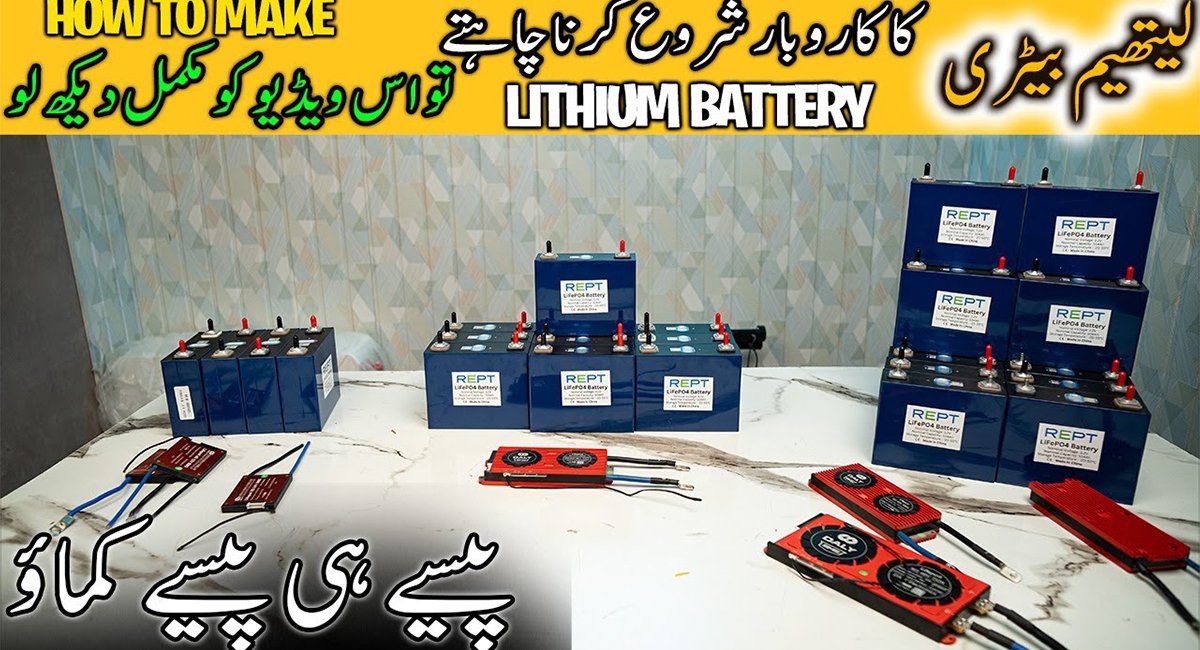
LiFePO4 or Lead-Acid Battery: Which is Better for Pakistani Homes? Leave a comment
The choice of the right battery for your house or solar panel in Pakistan depends on various factors like maintenance, lifespan, and performance under different conditions. In Pakistan, homes and businesses face a lot of challenges when it comes to electricity, including load shedding, fluctuating voltage, and hot weather. The question then arises: which battery technology is better for Pakistani homes, the LiFePO4 Battery or the conventional lead-acid battery?
If you are in the market for a reliable battery backup for your Pakistani home or business, then this blog aims to provide the information you need to make the right choice between the two technologies.
The Everyday Struggles of Pakistani Homes with Batteries
If you live in Pakistan, you must have faced challenges with your home battery, including a short lifespan due to load shedding or voltage fluctuations. Lead-acid batteries, which have been the most common battery type in Pakistan, require frequent maintenance. On the other hand, LiFePO4 batteries, a new battery technology, have been making waves as a superior battery technology. But how suitable are they for the average Pakistani home? Let’s find out.
The new LiFePO4 Battery technology has been making waves in recent years due to its ability to overcome all the obstacles presented by lead-acid batteries, but is it worth it? Let’s compare the two in a way that is easy to relate to for Pakistani housewives.
Which Battery Has a Longer Lifetime Under Pakistani Conditions?
The first and one of the most substantial differences between the two batteries is their lifespan. A regular lead-acid battery has a rather short lifespan, which only rarely exceeds five years. In most cases, the service life of such batteries does not reach 2 or 3 years because of improper maintenance, such as topping up the distilled water or removing the oxidation from the terminals. Due to the extreme Pakistani climate, the lifespan of lead-acid batteries is further reduced because of the increased activity of the chemical elements inside the batteries.
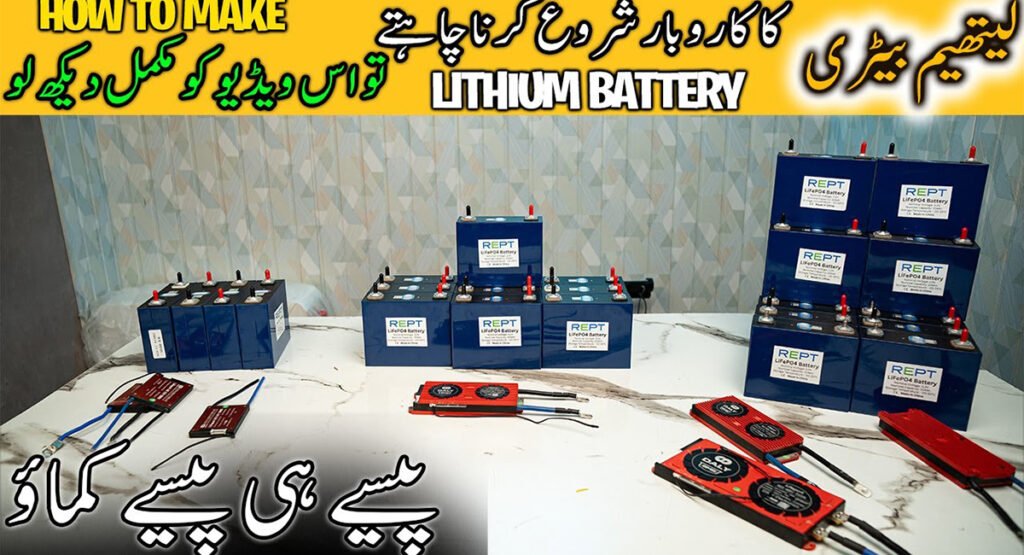
A LiFePO4 Battery, on the other hand, practically does not have this problem, as they have an extended lifespan that usually lasts for 10 years or more. An ideal set of conditions for the LiFePO4 Battery almost reaches 25 years. Thus, using LiFePO4 batteries may seem quite expensive, but in fact, one will not have to waste time and effort on a frequent replacement of batteries.
Embed this YouTube link
Maintenance: Do You Have Time for This?
We are a busy generation. How much time and effort are you willing to spend on a battery? The lead-acid battery needs you to be diligent and remember to:
- Check water levels every few months.
- Clean corrosion off terminals (which happens often in humid Pakistani weather).
- Equalize charging to prevent sulfation (a fancy term for buildup that kills battery life).
- Store them properly if left unused for too long; they can lose charge permanently.
A LiFePO4 Battery requires minimal maintenance. There is no topping up of water, no problem of corrosion, and no need for equalizing charges. It can be installed and left alone till the next power failure.
Weight: Can You Carry It?
Have you lifted a lead-acid battery? Even a small battery with a 12-volt rating weighs about 15 to 20 kilogrammes. Think of shifting a battery system of 48V for your solar installation; it will be quite cumbersome to move. And when you need to install it in a confined place (e.g., on a rooftop or in a confined storeroom), the weight is a big issue.
The LiFePO4 Battery is 60-70% lighter by weight compared to a similar battery of a lead acid type. The weight of a 48V battery system of LiFePO4 is likely to be only 50 percent of the weight of the lead-acid system.
Efficiency: Are you wasting energy without knowing?
Not all the energy stored in the battery goes into your appliances. For example, a lead-acid battery wastes 15-30% of the stored energy due to heat and internal resistance. Therefore, charging a 100Ah lead-acid battery would give you just 70-85Ah of available power.
LiFePO4 batteries offer much higher efficiency since 95-98% of the stored energy is available for utilization.
- Faster charging (you spend less time and electricity topping it up).
- More usable power from the same capacity.
- Less strain on your inverter or solar system, which can extend the life of your entire setup.
In a country where electricity is expensive and the power cuts are regular, everything must be done to optimize it.
Depth of Discharge: How much can be taken out?
There is one thing that people tend to overlook. You should never discharge your lead-acid battery completely. Discharging your battery below 50% will shorten the lifespan of your battery considerably. In other words, when it comes to a 100Ah lead-acid battery, you’re just getting 50Ah out of it.
But with a LiFePO4 Battery, you can safely discharge it up to 80-100%. So basically, with a 100Ah LiFePO4 battery, you get 80-100Ah of capacity. That is very important if you want to make use of every watt-hour of energy you’ve stored for load shedding times.
Safety: Which Battery Will Not Keep You Awake At Night?
When it comes to safety, many people tend to ignore it before an incident occurs. Lead-acid batteries:
- Produce hydrogen gas while charging (which is highly flammable).
- Can leak Acid: if the battery is damaged or tilted.
- Require venting: which may not always be feasible in small Pakistani households.
A LiFePO4 Battery is far safer:
- No gas emissions while charging.
- Contains no liquids (it’s a solid-state battery), so there is no possibility of leakage.
- Stable chemistry: it does not overheat or ignite as easily, even in hot weather.
If you are storing a battery indoors (in a bedroom or living area), this type of battery would be best.
Performance in Pakistani Summers: Can It Survive The Heat?
Summer in Pakistan is a harsh season; not only for us, but for batteries as well. Lead-acid batteries have a tendency to reduce capacity in high temperatures; when the temperature exceeds 30°C, battery life expectancy is reduced by 20% to 30%. For cities where temperatures go beyond 45°C, this poses a challenge.
In terms of tolerance to high temperatures, LiFePO4 Battery systems are far superior. Most systems can function up to 60°C without causing any harm to the system.
Which One to Pick?
So, which one should you go for when it comes to installing the battery in your house? Let us take a look:
| Factor | Lead Acid Battery | LiFePO4 Battery |
| Lifespan | 2-5 years | 10-25 years |
| Maintenance | High (water, cleaning, equalizing) | Almost none |
| Weight | Heavy (15-20 kg per 12V) | Light (5-8 kg per 12V) |
| Efficiency | 70-85% usable energy | 95-98% usable energy |
| Depth of Discharge | 50% max for longevity | 80-100% safe |
| Safety | Gas emissions, acid leaks | No gas, no leaks, stable |
| Heat Tolerance | Poor (loses capacity fast) | Excellent (works up to 60°C) |
If you need something more reliable, with minimum maintenance required and good performance in the Pakistani environment, you can prefer LiFePO4 Batteries. But if you just need a temporary solution, you may opt for lead-acid.
Final Thoughts
Sottery would be the ideal choice for you depending on your priorities. For people who are fed up with changing batteries every few years, have trouble maintaining batteries, and for those who are concerned about their safety, then LiFePO4 Batteries are definitely your next step forward, as they were specifically designed to handle such issues in Pakistani houses. For further details and to look into customized options, you can consult experienced professionals such as Maaz Gilani, with over 9 years of experience in the electronics & power systems industry in Pakistan. You can contact him via email at maazelectroniks@gmail.com or visit his social media accounts for more information.
