Pros, Cons & What to Check Before Buying Used
As someone who has spent several years working at major electronics markets and retail-outlets around Karachi and Lahore, inspecting phones, checking items sold as “refurbished” and advising customers I have seen both sides of the coin. Over that time, I personally tested and verified hundreds of devices: checking battery health, verifying serial/IMEI numbers, confirming parts authenticity and observing longterm performance. I have seen buyers save as much as 30–40% on refurbished devices that ended up working flawlessly for years. At the same time, I’ve witnessed people lose money when they fell for “too cheap” deals that turned out to have hidden faults, fake parts or serious battery issues.
Because of that hands-on experience in the Pakistani electronic retail context with it’s peculiar challenges of counterfeit parts, grey-market imports and fluctuating demand, I decided to write this guide. If you’re thinking about buying electronics (whether new, refurbished or used), this is what you should know especially if you want real value and minimal risk.
What’s the Difference? New vs Refurbished vs Used Electronics
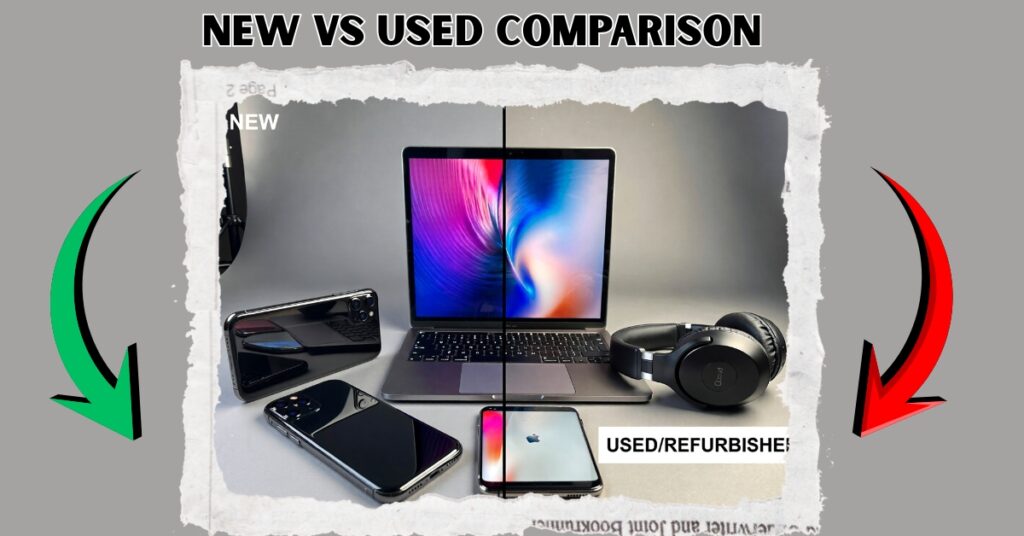
| Type | Description | Typical Price Compared to New |
|---|---|---|
| New | Brand-new devices, purchased directly from authorized dealers sealed, unused, with full warranty and original accessories. | Full price |
| Refurbished | Previously owned or returned devices that have been professionally inspected, tested, repaired if needed, cleaned, reset to factory settings, repackaged, and often come with a limited warranty. | 20–40% less than new (depending on model & condition) |
| Used (Second-hand) | Devices sold by previous owners or third-party shops without professional refurbishment condition ranges from “barely used” to “heavily worn.” | Cheapest, but condition varies widely |
This is the basic difference but the real value and risk depend heavily on who refurbished the device, the care in inspection and transparency of sale.
Why “Certified Refurbished” Often Beats “Used” And Is Closer to New
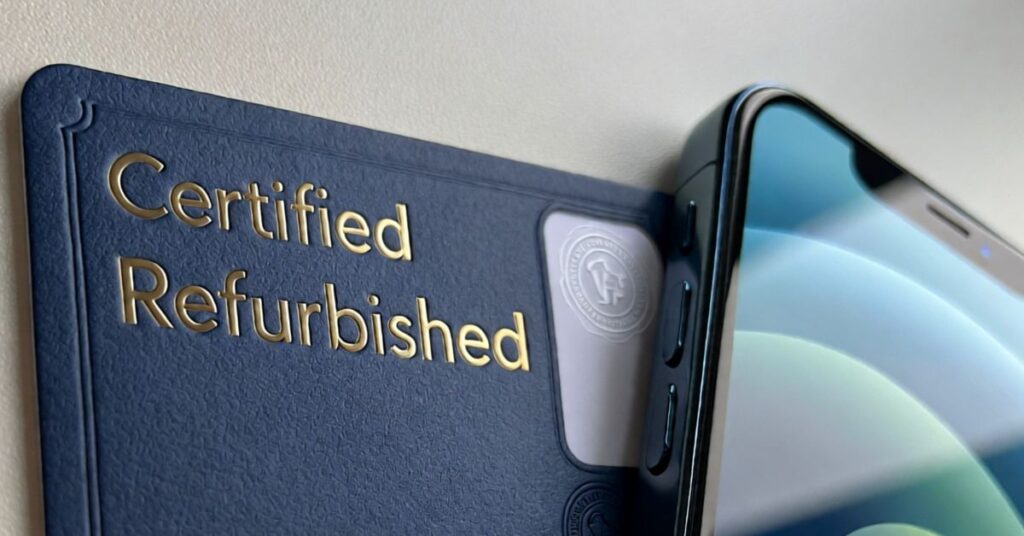
If you buy from a recognized official refurb program (or reputable reseller), refurbished devices can come very close to new in quality with major financial savings.
Examples of trusted certified-refurbished programs:
- Apple’s “Certified Refurbished” program: refurbished devices undergo full testing and come with a 1-year warranty. Apple+2Apple+2
- Samsung’s “Certified Re-Newed” line: refurbished Galaxy devices restored using genuine parts, new batteries, and put through multi-point quality tests. Samsung es+2MakeUseOf+2
- Amazon Renewed program: It inspected and tested pre-owned electronics sold with a guarantee. About Amazon+1
Refurbished devices from these channels often deliver “like-new” performance at 20–40% discount, while including some warranty/returns protection, a strong middle ground between new and used.
What to Check Before Buying Used or Refurbished Electronics
If you’re buying outside official programs (such as from local shops in Karachi, Lahore or Islamabad), inspect devices carefully. These are the checks you should always do:
Check-out our guide on difference Between Phone Cameras and what really matters.
- Physical Condition
- Look for screen scratches or cracks.
- Check frame for dents, loose buttons, hairline cracks; especially around ports (charging, headphone).
- Press lightly on screen corners; watch for discoloration or pressure points indicating a replaced screen.
- Battery Health
- For iPhone: go to Settings → Battery → Battery Health / Maximum Capacity; aim for ≥ 80%.
- For Android: use a diagnostics app (e.g. AccuBattery) or dial service codes (varies by brand) to check battery capacity and charging health.
- Watch out for signs of poor battery: overheating, rapid drops in charge, slow charging.
- Original Parts vs Aftermarket / Fake Components
- Check screen quality: washed-out colors or poor blacks may indicate a non-original LCD/OLED panel.
- Inspect back cover, camera modules, charging port; aftermarket parts often leave telltale marks.
- Verify IMEI/serial numbers on both box and device; mismatch is a big red flag.
- IMEI / Serial Number Verification & Blacklist Check
- Ensure IMEI on device matches that on original box.
- Use official IMEI-checking tools (or carrier/GSMA-backed checkers) to ensure the device isn’t listed as stolen or blocked.
- If possible, demand proof of original purchase invoice or receipt.
- Software & Locks
- Ensure no active Google/Apple ID lock, MDM lock, or other device management configuration.
- Perform a clean OS install (factory reset) before purchase, if allowed by seller.
- Confirm all preinstalled apps are legitimate; avoid phones with suspicious or third-party preinstalled apps.
- Return / Warranty / Testing Period
- Buy only from sellers offering at least a few days (ideally 7+) to test the device.
- For refurbished devices: look for 30–90 day warranties if not from a major brand program.
- Avoid “no-return, final sale” deals unless you’re confident in inspection.
Explore our guides on how to properly maintain electronics after purchase.
Pros & Cons: New vs Refurbished vs Used (In Real-World Pakistani Context)
| Option | Pros | Cons |
|---|---|---|
| New | Full warranty; latest software/hardware; best battery and resale value; ideal for gifts or long-term use. | Highest cost; overpaying for features you might not need. |
| Certified Refurbished | Substantial discount; often near-new performance; limited warranty; environmentally friendly reuse. | Battery might be slightly used; cosmetic marks possible; must ensure source is reputable (authentic program or verified reseller). |
| Used / Second-hand | Lowest price; negotiable deals; good for temporary/secondary devices or budget constraints. | No guarantees; possible hidden defects (battery, motherboard, water damage); potential fake parts; high risk of scams especially when imported through grey market or unknown sellers. |
Real-World Examples (Case Studies Based on My Observations in Pakistani Markets)
Case Study 1 : The “Too Cheap” iPhone
A customer bought a used iPhone 12 at a suspiciously low price from a street shop in Lahore. After a week: phone randomly rebooted, battery fell from 85% to 15% within hours, and IMEI check revealed it was blacklisted. The shop refused return. Bottom line: “too cheap” was a red flag.
Case Study 2: Good Refurbished Galaxy from a Trusted Source
A buyer ordered a refurbished Galaxy S21 from an authorized seller using Samsung’s Certified Re-Newed program. Battery health was ~ 92%, device ran smoothly and came with one-year warranty, saving around 35% compared to new retail price. It lasted reliably for over 18 months.
Case Study 3: Laptop Bought Used with Hidden Thermal Fault
A second-hand gaming laptop bought on a local classifieds site looked clean externally but after some heavy use, the temperature soared above 95 °C, fans were cheap replacements, thermal paste was dried up. The buyer lost a lot of potential performance and had to spend more on repairs negating the initial “cheap deal.”
These stories highlight a key fact: price alone doesn’t equal value the difference is in inspection, honesty of sellers, and transparency.
Tips on how to avoid fake chargers and accessories.
FAQ (Frequently Asked Questions)
Q1: Is it safe to buy refurbished electronics in 2025?
A: Yes, if you buy from a certified program (manufacturer or trusted reseller) and the device passes inspection checks (battery health, IMEI, parts authenticity). Certified refurbished often gives the best balance of price, reliability, and warranty.
Q2: How long do refurbished phones usually last compared to new ones?
A: If refurbished properly and has passed full diagnostics; often just as long as new ones, especially if battery and critical components are replaced or verified.
Q3: For students or budget-conscious users, is refurbished better than new?
A: Absolutely, For everyday tasks like browsing, calls, studying, refurbished devices give great value as long as you check the condition carefully before purchase.
Q4: What are safe sources to buy refurbished electronics globally / internationally?
A: Manufacturer-certified stores are safest (like Apple Certified Refurbished, Samsung Certified Re-Newed, Amazon Renewed). Apple+2Samsung es+2
Q5: What basic steps should I take before buying a used/refurbished smartphone?
A: Always check; battery health, original IMEI/serial number, parts authenticity (screen, battery, casing), software locks and if buying from a private seller get a short testing/return window.
Q6: Is there a big difference between “refurbished” and “used”?
A: Yes. “Refurbished” when done properly means the device has been tested, repaired if needed, cleaned and verified. “Used” simply means someone used it before with no quality guarantee.
Conclusion & Expert Recommendation
In my years working inside Pakistani electronics markets, I’ve found that certified refurbished electronics (when bought from a reputable source) usually offer the best balance of price, performance, and reliability especially if you’re budget sensitive or buying for everyday use.
If you have limited budget, need a secondary device, or understand how to properly inspect devices, refurbished or carefully inspected used devices can be very worthwhile. Just avoid deals that look “too good to be true,” always verify the device carefully and if possible insist on a short trial period before finalizing the purchase.